
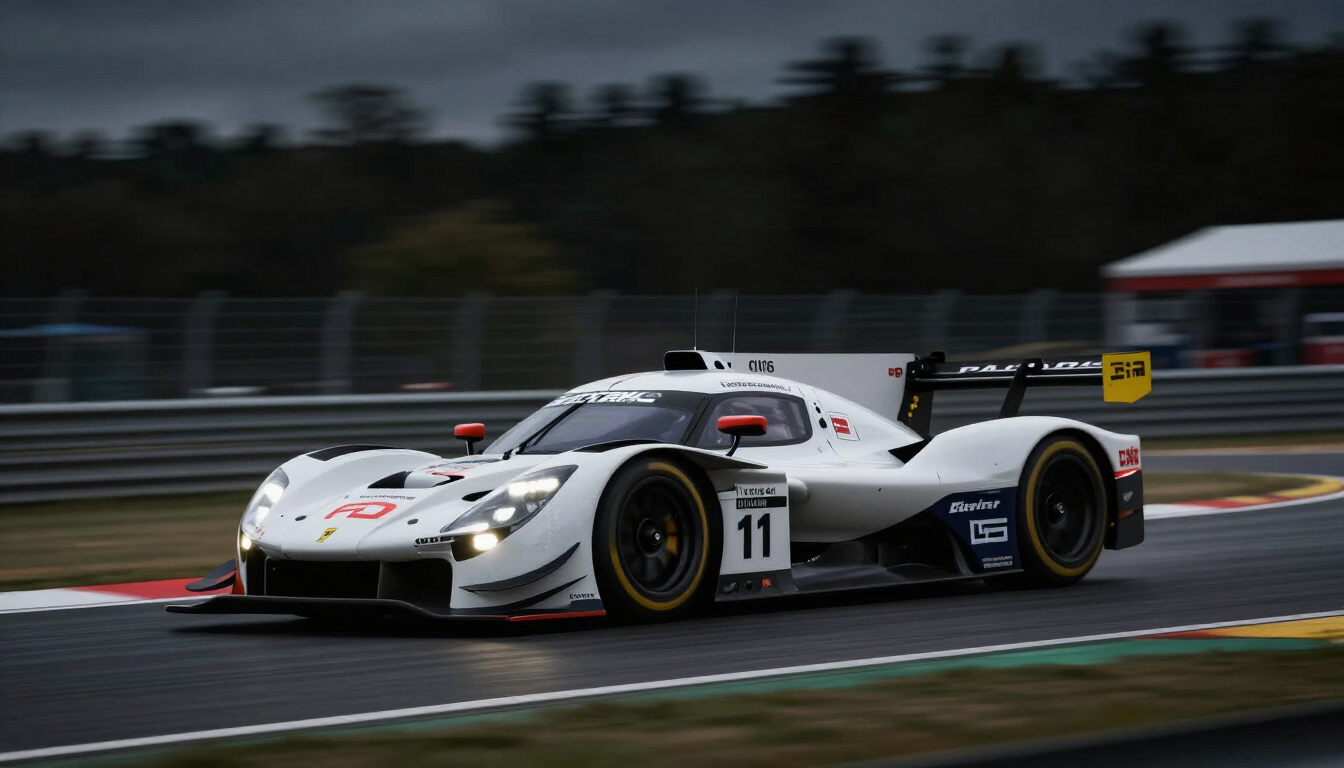
DTM in its GT3 era is a sprint championship with two races a weekend, no fuel saving and a pit window that decides most results.
The modern DTM is a one hour sprint series run on GT3 machinery, and it has kept the ruthlessness the championship was always known for. Each weekend has two standalone races, each with its own qualifying, which means a driver can lose a title on a Saturday morning and have no way to recover it before Sunday.
Preining has led the standings by being fast on Saturday mornings. Single lap pace in DTM is worth more than in almost any other GT category, because the races are short enough that tyre degradation never opens a meaningful window and the pit stop is time regulated. Start on the front row and the race is usually yours to lose.
The Norisring weekend was the clearest example. A street circuit with concrete walls and one true overtaking spot, it turned into a track position race from the first corner. The win came from qualifying, a clean launch, and a pit stop executed at the earliest legal moment to clear the cars behind before they could react.
Bortolotti and the Lamborghini entries have applied pressure with better race pace at the higher speed circuits, and the remaining calendar includes at least one venue where the balance of performance has historically favoured them. Three rounds is six races, enough for the standings to invert twice.
What has been consistent all season is that DTM remains the most unforgiving sprint format in European racing. There is no strategic escape hatch, no endurance phase to recover in, and no second chance on a weekend that starts badly.
The 2026 DTM Championship standings capture the state of play recorded After Round 6, Norisring Race 2. Thomas Preining leads the drivers classification on 138 points, 14 clear of Mirko Bortolotti on 124, with Sheldon van der Linde third on 118. A lead of 14 points is a meaningful cushion at this stage of the year, but with 4 rounds still to run it is not yet a decisive one. The championship will be settled by how the front runners negotiate the rounds that remain, not by the margin they carry into them.
Behind the leading group the field is tightly compressed. Maro Engel holds fourth on 104, René Rast is fifth on 97, and Nico Müller completes the top six on 89. The spread across those three positions is just 15 points, which means a single strong weekend can reshape the order behind the title contenders. The midfield battle is where the championship depth is most visible, and where the cost of one bad round is highest.
In the teams classification, Manthey Racing (Porsche) leads on 138 points from GRT (Lamborghini) on 124 and Schubert Motorsport (BMW) on 215. The teams standings are often the more reliable indicator of outright pace, because they smooth out the individual bad weekends that every driver encounters across a full season. A team that places both its entries consistently in the points will accumulate constructors score at a rate that single car brilliance cannot match.
The depth of the teams championship reflects how competitive the DTM grid has become. Manthey Racing (Porsche) holds the lead on 138 points, but the gap to GRT (Lamborghini) on 124 is small enough that a single double points finish can close it. Behind them, Schubert Motorsport (BMW) sits third on 215, close enough to capitalise if either of the top two stumbles. The constructors race is a long game, and it rewards reliability over heroics.
The recent rounds have done most to shape the current standings. Lausitzring Race 2 at EuroSpeedway Lausitz, Germany was won by Engel, Norisring Race 1 at Norisring, Nuremberg, Germany went the way of Rast, and the most recent completed round, Norisring Race 2 at Norisring, Nuremberg, Germany, was won by Preining. Each of those results shifted the points arithmetic at the top and reset the momentum that the title contenders carry into the next weekend.