The images from a race weekend are treated as atmosphere by most outlets. They are actually evidence. It is time the sport started treating them that way.
A photograph of a car leaving a pit box contains information. The angle of the rear wing, the ride height, the tyre compound, the position of the front wing elements, all of it is visible, all of it matters, and almost none of it gets described when the image is published alongside a race report as an illustration of speed or drama.
Motorsport photography has a credentialing problem. The media organisations that apply for access are mostly focused on text and broadcast. The photographers who get through the gates operate in a system designed to produce imagery for corporate and promotional use first, editorial second. The best trackside photographers know the technical story they are telling. The context in which their images appear often does not.
The argument for treating photography as reporting is not just about information. It is about trust. A race report can be written without attending the race. It can be assembled from timing data, broadcast feeds, and team press releases. A photograph cannot be faked in the same way. The image of a car's diffuser striking the kerb at Stowe or the mechanic's expression during a slow stop is primary source material. It happened in front of the lens. It is evidence.
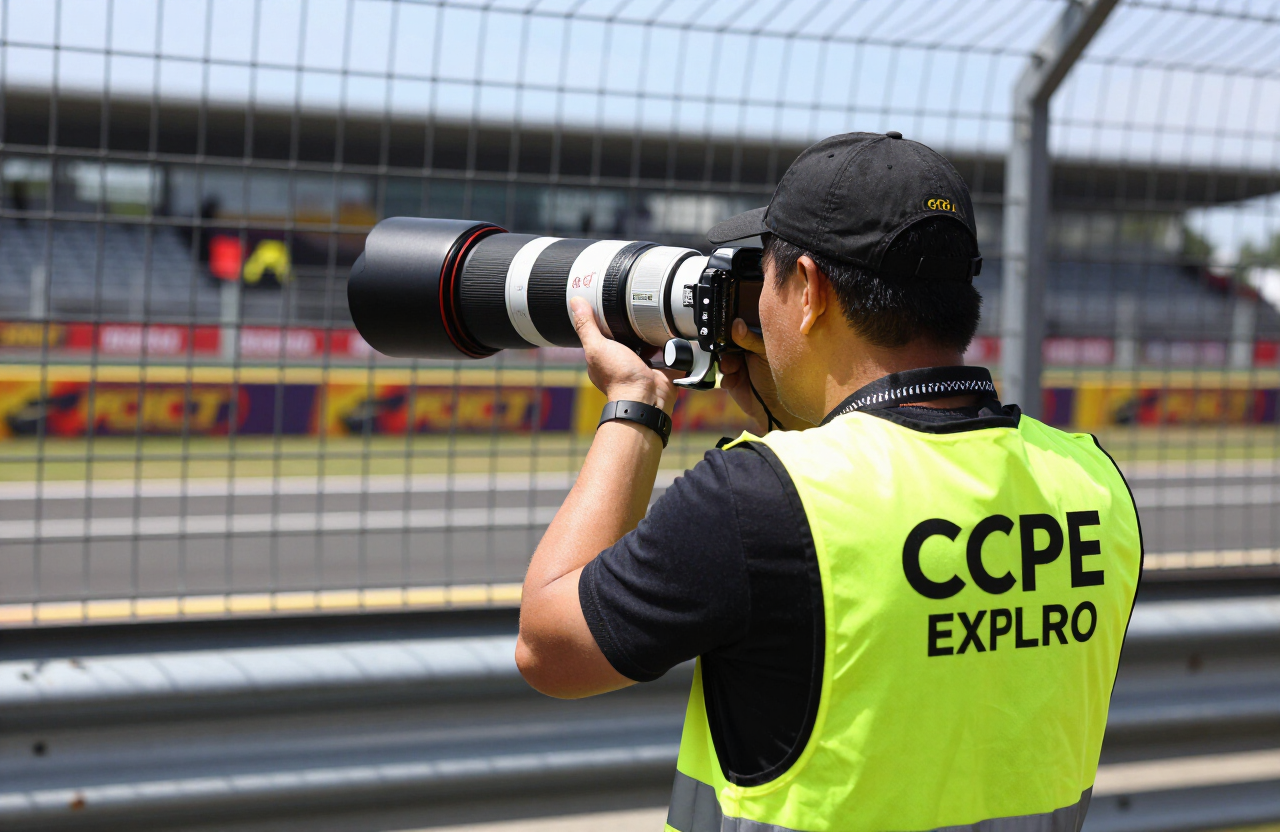
GridXtreme has operated with a photography as reporting philosophy since the first accreditation. Our photographers are briefed on the technical story before the weekend, told what to look for, and asked to file with captions that explain what is visible rather than describe what is obvious. Not every image we produce gets used in that way. But the intention changes what the photographer points the camera at, and what they notice while they are doing it.
The sport produces extraordinary images every weekend. Most of them are used as decoration. A few, in the right hands, are closer to evidence. The gap between those two things is not a question of lens quality or access. It is a question of editorial intent.
The work that matters in motorsport journalism is the work that survives the news cycle. A race report is filed within minutes of the chequered flag, but the analysis that explains why a result happened, and what it means for the championship, is the piece that readers return to across the week. The discipline of getting the first version right, and then deepening it rather than correcting it, is what separates a working paddock reporter from a headline aggregator.
Photography at a race circuit is a form of reportage, not decoration. The images that endure are the ones that carry information as well as atmosphere, the moment of contact, the expression on a face in the cool down room, the detail of a front wing change in a wet pit lane. A photograph that could have been taken at any circuit on any weekend is a photograph that has failed to record the specific thing that happened, and the standard the work is measured against is whether it could only have been taken on that day, at that corner, in those conditions.
The relationship between the written word and the image is closer in motorsport than in most sports. A race produces a sequence of moments that a single frame can only ever capture partially, and the reporting around it has to supply the context the image cannot, what happened before the shutter opened, and what it meant for the championship afterwards. The best work in the field treats text and image as two views of the same event, each incomplete without the other.
The paddock is a working environment before it is a story. The people who operate at the sharp end of a race weekend, the mechanics, the engineers, the strategists, the photographers, are there to do a job, and the reporting that respects that fact tends to produce the most honest account of what actually happened. The temptation to impose a narrative on a weekend that did not really have one is the most common failure mode in the sport, and resisting it is the discipline that gives the work its value.
The work that matters in motorsport journalism is the work that survives the news cycle. A race report is filed within minutes of the chequered flag, but the analysis that explains why a result happened, and what it means for the championship, is the piece that readers return to across the week. The discipline of getting the first version right, and then deepening it rather than correcting it, is what separates a working paddock reporter from a headline aggregator.
Photography at a race circuit is a form of reportage, not decoration. The images that endure are the ones that carry information as well as atmosphere, the moment of contact, the expression on a face in the cool down room, the detail of a front wing change in a wet pit lane. A photograph that could have been taken at any circuit on any weekend is a photograph that has failed to record the specific thing that happened, and the standard the work is measured against is whether it could only have been taken on that day, at that corner, in those conditions.